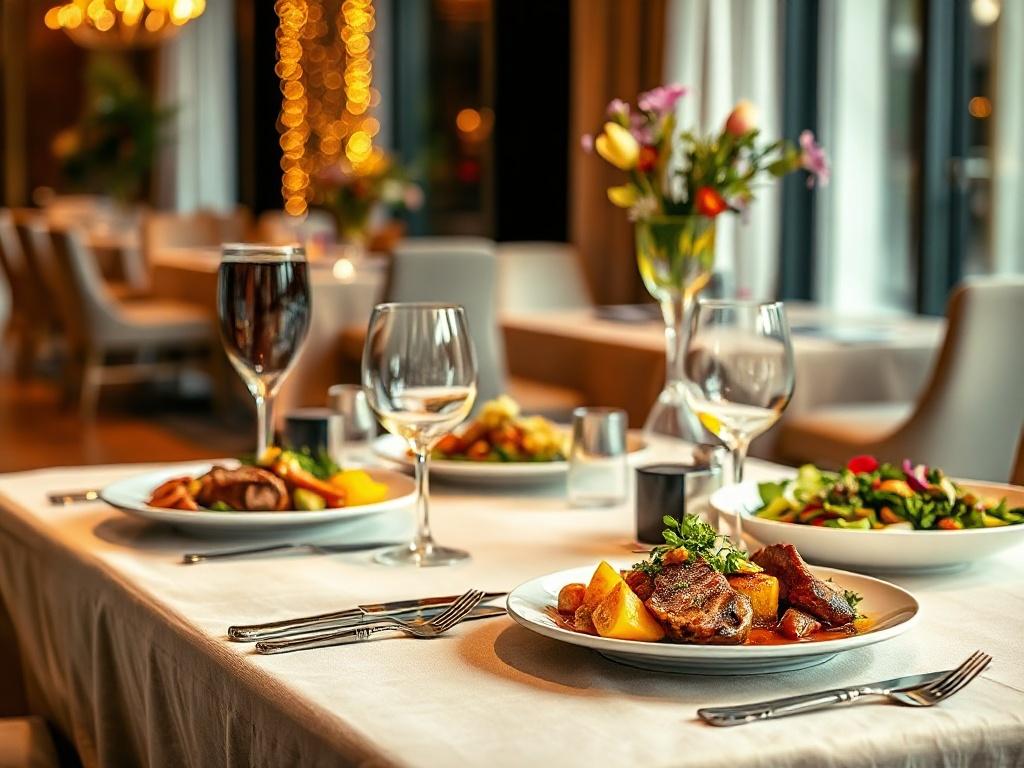
In Southern California's corporate and studio event world, timelines move fast, and details pile up quickly. Catering tends to get pushed to the back burner with the assumption that it can be sorted out closer to the date. That assumption has a cost, and it tends to show up at the worst possible moment.
The idea that catering is something you can finalize at the last minute is one of the most common and costly misconceptions in event planning. Food and beverage logistics touch nearly every other aspect of an event, from venue setup to staffing to guest experience. When the menu isn't locked in early, everything downstream gets harder.
Vendors need lead time to source quality ingredients, coordinate staffing levels, and plan for dietary accommodations. Without that runway, you're not just paying more. You're also getting less because rushed planning rarely produces the same quality as thoughtful preparation.
Wedding caterers have operated under tight planning timelines for decades, and the industry has refined its approach accordingly. Couples work with their catering teams months in advance, finalizing menus, confirming guest counts, and ironing out every dietary restriction well before the event date.
That level of early coordination doesn't happen by accident. It happens because wedding clients and their caterers have learned, often the hard way, that leaving decisions open too long creates chaos. Corporate and studio event clients in Southern California are starting to adopt the same mindset, and the results speak for themselves.
The issues that come from delayed menu planning rarely stay contained to one area. They tend to ripple outward and affect parts of the event you'd never expect catering to touch.
When menu decisions get made too close to the event date, ingredient sourcing becomes reactive instead of strategic. Specialty items, seasonal produce, and proteins ordered at the last minute often come at a premium, and sometimes they're simply unavailable.
For large-scale corporate events or film and television productions with specific catering needs, this isn't a minor inconvenience. It can mean substitutions that don't align with the original vision, or scrambling to redesign a menu entirely under time pressure.
Catering isn't just food. It's a coordinated operation involving cooks, servers, setup crews, and equipment. Staffing those roles appropriately requires knowing the scope of the menu well in advance.
When the menu changes late in the game, so does the staffing plan. That kind of last-minute reshuffling is expensive, and it introduces the kind of day-of pressure that leads to service gaps. An event that looks seamless to guests is usually one where every logistical decision was made weeks earlier.
Managing dietary needs is one of the areas where early planning pays off most clearly. Here's what tends to go wrong when accommodations are left to the last minute:
For corporate clients hosting clients or executives, these oversights reflect poorly on the entire event. For studio productions, they can affect crew morale and productivity.
Getting ahead of the menu isn't just about avoiding problems. It's about creating the conditions where everything else can fall into place the way it should.
When a catering team has adequate lead time, they can design a menu that actually fits the event. That means considering the time of day, the format of the gathering, the brand or tone the client wants to project, and the practical realities of the venue.
A working lunch for a film crew has completely different needs than a corporate cocktail reception for fifty executives. Early planning is what makes it possible to get those details right.
One of the quieter benefits of locking in a menu early is cost stability. Ingredient prices are easier to lock in, staffing can be planned without premium last-minute rates, and there are fewer expensive surprises on the final invoice. For clients managing event budgets carefully, that predictability is genuinely valuable.
At The Butler's Pantry, we've seen what happens when catering gets treated as an afterthought, and we've spent years perfecting an approach that prevents it. Our team works with corporate clients, studios, and event planners across Southern California to lock in menus early, anticipate every logistical detail, and deliver food and service that reflects the quality your event deserves. If you're ready to plan with intention, reach out to our team today.
